
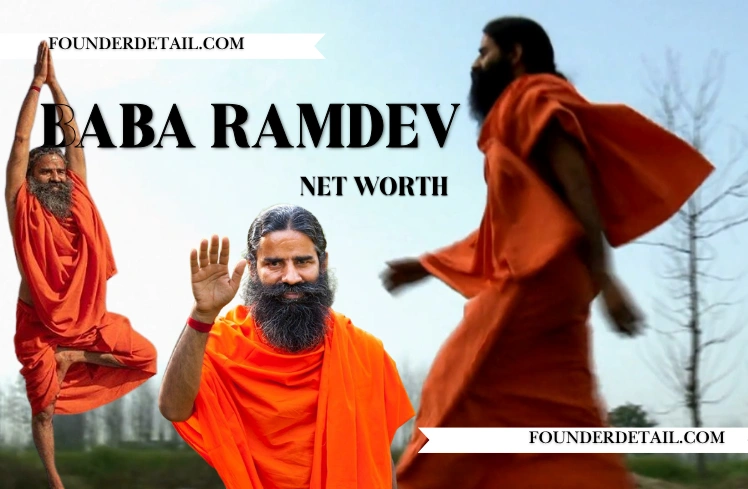
In a world full of influencers peddling detox teas from fancy Mumbai apartments, Baba Ramdev stands out like a saffron-robed unicorn. He went from sleeping on temple floors to fronting a wellness brand that clocks thousands of crores in revenue. But here’s the question everyone whispers: what exactly is Baba Ramdev Net Worth in 2025 or even Baba Ramdev Net Worth 2026? And more importantly — how did a celibate yoga guru pull this off without ever seeming to “own” the company on paper?
Disclaimer: This article is for informational and educational purposes only. Baba Ramdev’s personal net worth is not publicly disclosed through audited personal financial statements. The figures mentioned are based on publicly available reports, business valuations, and media estimates available as of 2025–2026. Readers should not treat these estimates as officially confirmed personal wealth declarations.
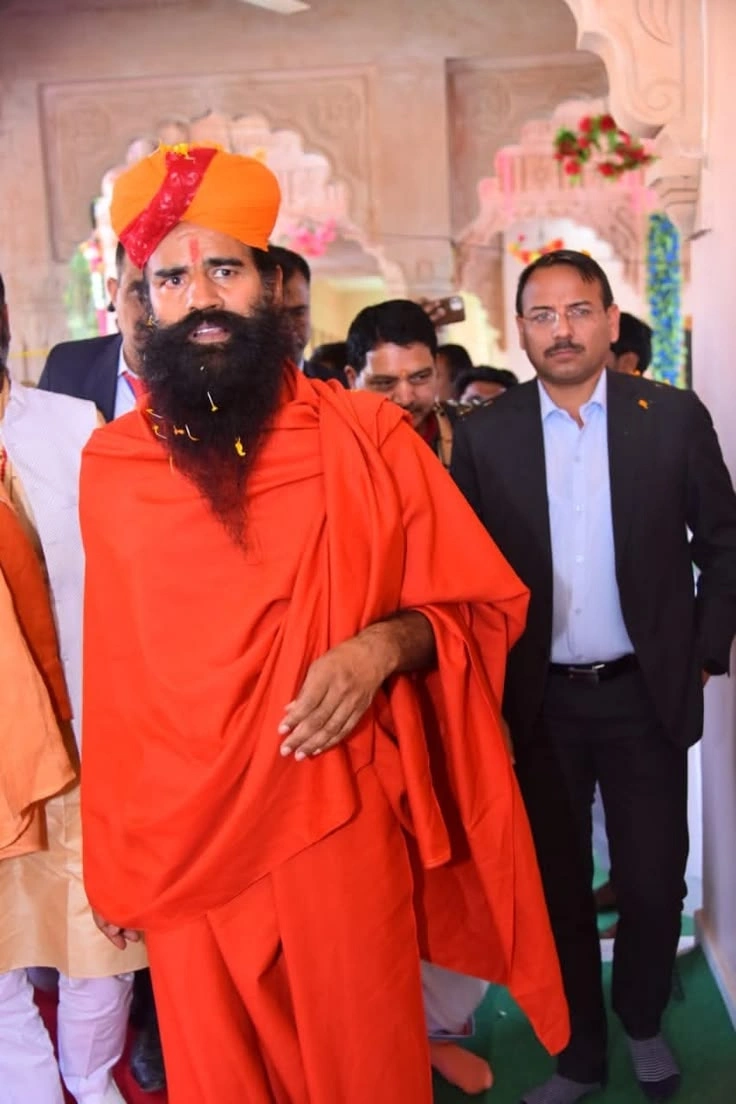
Quick Facts Summary
| Detail | Value |
| Full Name | Ramkृष्ण Yadav / Ram Kisan Yadav |
| Known As | Baba Ramdev, Swami Ramdev |
| Date of Birth | 25 December 1965 |
| Age | 59 years old (as of 2026) |
| Birthplace | Sayed Alipur, Nangal Choudhary, Mahendragarh, Haryana, India |
| Profession | Yoga guru, businessman, co-founder of Patanjali Ayurved |
| Known For | Popularizing yoga and Ayurveda in India |
| Net Worth | About ₹1,100 crore to over ₹1,600 crore |
| Education | Studied up to 8th grade, then learned Vedas, Sanskrit, and yoga at a gurukul in Khanpur |
| Family | Parents: Gulabo Devi and Ramniwas Yadav |
| Latest Work | Leading 2026 International Yoga Day events and launching a Patanjali UPSC coaching academy |
Net Worth Today
Baba Ramdev Net Worth sits in a wide but clear range. The most common estimates put it at about ₹1,100 crore to over ₹1,600 crore. That range fits his public image. It also fits the size of Patanjali Ayurved, which became the main source of his wealth.
Times of India has described Patanjali Ayurved as his business vehicle. It also put his wealth at over ₹1,600 crore as of 2022. That gives a strong clue about his money story. Here is the simple version. His earnings did not come from one salary. They came from brand reach, business ownership, and a very large customer base.
| Money Factor | What It Means |
| Main wealth source | Patanjali Ayurved and related ventures |
| Business link | Co-founder of Patanjali Ayurved Ltd. with Acharya Balkrishna |
| Public estimate | About ₹1,100 crore to over ₹1,600 crore |
| Wealth pattern | Built through brand-led growth, not celebrity endorsements alone |
People often search Baba Ramdev Net Worth in Rupees because the figure feels huge and very Indian in scale. Fair enough. It is the kind of number that makes you stop and ask how a yoga teacher got there. The answer is business discipline, timing, and mass appeal. He turned wellness into a market. Then he stayed visible long enough to keep that market loyal.
There is also a point about method here. Public net worth estimates for business-linked people can vary. That is because they depend on company value, brand strength, and how different outlets count ownership. That is why the range matters more than one exact number. It shows uncertainty without changing the main point: he is wealthy because he built an institution, not because he took a paycheck.
The Patanjali Empire: Where the Real Money Lives

If Ramdev’s personal wealth is modest by Indian-tycoon standards, Patanjali the institution is anything but modest. In 2006, Ramdev and Balkrishna turned a small Ayurvedic pharmacy into what became one of the fastest-growing FMCG companies India has ever seen.
The numbers are genuinely staggering. Patanjali generates revenue of over ₹9,335 crore in FY24, and its listed entity, Patanjali Foods, reported revenue of roughly ₹31,961 crore. That’s not “successful startup” money — that’s “competing head-on with Hindustan Unilever and Colgate” money. In 2025, the group made headlines again after it acquired a 73.55% majority stake in Magma General Insurance for ₹4,500 crore, proving Patanjali isn’t just about toothpaste and noodles anymore — it’s muscling into insurance, textiles (via Patanjali Paridhan), solar energy, and IT manufacturing.
There’s also been chatter about a mega IPO. Baba has hinted at launching multiple Patanjali IPOs with a target valuation of ₹5 lakh crore, though that ambitious plan was still in development as of the most recent reports. If it happens, it would instantly make Patanjali one of the largest listings in Indian corporate history — and would probably send Baba Ramdev News trending for a week straight.
Career Timeline
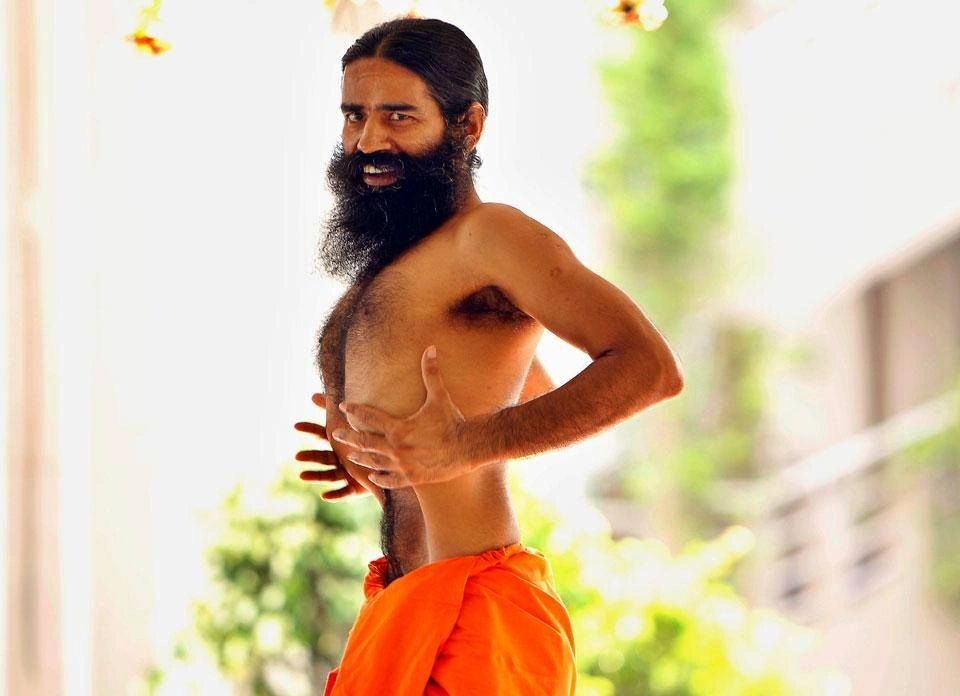
The rise of Baba Ramdev was not sudden. It grew step by step. Each step widened his audience. He founded Divya Yog Mandir Trust in 1995. That was the first big mark in his public journey. In 2003, his yoga programs began airing on Aastha TV. That move changed everything. Television took him from a local teacher to a national face.
By 2006, Patanjali Ayurved Ltd. was set up with Acharya Balkrishna. That was the point when his yoga brand and business brand started moving together. In 2010, he announced plans to form a political party for the 2014 general election. Then came 4 June 2011, when he led an anti-corruption and black-money satyagraha at Delhi’s Ramlila Maidan.
Those milestones show a clear pattern. Each phase expanded his role from teacher to public figure to activist to businessman. That sequence is also why his name appears in so many kinds of searches. People do not just look up his net worth. They also look up his politics, his yoga, and his public statements.
| Year | Milestone |
| 1995 | Founded Divya Yog Mandir Trust |
| 2003 | Yoga programs began airing on Aastha TV |
| 2006 | Patanjali Ayurved Ltd. was established with Acharya Balkrishna |
| 2010 | Announced plans to form a political party for the 2014 general election |
| 4 June 2011 | Led a satyagraha at Delhi’s Ramlila Maidan |
| 2015 | Padma Vibhushan was announced, but he declined it |
That 2011 moment was a turning point. It showed he was not only a wellness figure. He was also willing to step into public protest.
Remember that 2003 TV jump? That is the real hinge. Without television, the later business reach would have looked very different. The 2003 expansion also matters because it gave him a repeatable format. A yoga class on television can be watched by millions. That kind of consistency builds trust faster than a one-time event.
The Assets: Real Estate, Rovers, and a Scottish Island
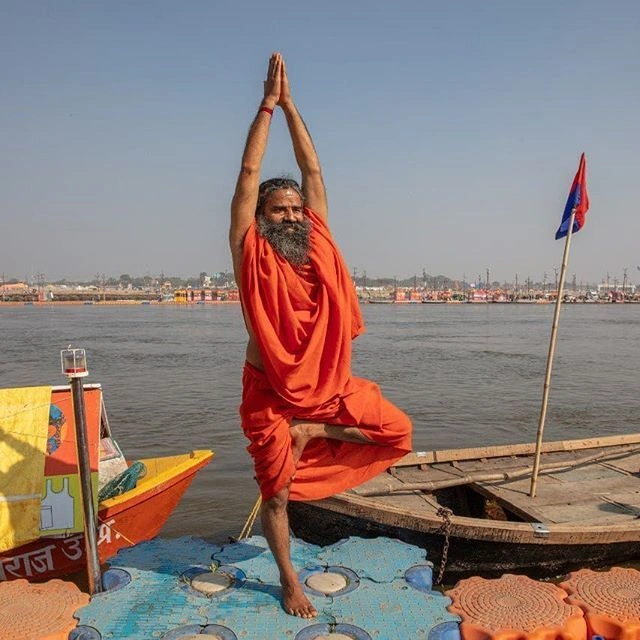
Here’s where things get genuinely fun. Despite claiming to have renounced personal wealth, Ramdev’s asset trail reads like a lifestyle magazine spread.
On the real estate front, trust-linked and personal holdings reportedly include the sprawling Patanjali Yogpeeth headquarters, spread across roughly 1,000 acres in Haridwar, Uttarakhand, plus 38 acres of prime land in Solan, Himachal Pradesh, and residential property in Mumbai worth several crores. He’s also associated with a real estate entity called Ramdev Baba Real Estates Private Limited.
Then there’s the car collection — and honestly, for a man who claims to sleep on the floor and wear wooden sandals, the garage tells a different story. Reports list a Land Rover Defender 130 valued at around ₹1.41 crore and a Land Rover Velar priced at approximately ₹93 lakh, alongside other SUVs like the Range Rover Evoque and Land Rover Discovery. Some of these, notably the Defender, were reportedly gifted rather than purchased outright.
And then there’s the wildest flex of all: Ramdev has also acquired an island in Scotland named Little Cumbrae. Yes, you read that correctly — a yoga guru from a small Haryana village, who insists he owns nothing personally, has trust-linked ties to a literal island off the coast of Scotland. If that’s not a plot twist, we don’t know what is.
Baba Ramdev Yoga: The Foundation of Everything
None of this — the FMCG empire, the real estate, the Land Rovers — happens without the yoga. Baba Ramdev Yoga sessions are really where the entire story begins. He didn’t inherit a business empire; he built an audience first, one Pranayam session at a time.
His breathing techniques — Bhastrika, Kapal Bhati, Anulom Vilom, and others — became household names across India thanks to daily television broadcasts that reached millions who’d never have set foot in a yoga studio. It’s a masterclass in audience-building that predates influencer marketing by two decades: build trust with free, useful content, then introduce products once people already believe in you. Silicon Valley startups pay consultants millions to learn what this guy figured out on Aastha TV with a microphone and a mat.
Baba Ramdev Books and the Author Angle
Baba Ramdev Books are another quieter but steady revenue stream. Over the years, he’s authored and co-authored numerous titles on yoga, Ayurveda, and pranayama, several of which are staples in Indian households and are sold both independently and through Patanjali’s own distribution network. Combined with royalties from yoga CDs and instructional content — one older estimate noted his yoga media business alone brought in a notable monthly turnover — these smaller streams add up quietly in the background while the FMCG headlines grab all the attention.
Baba Ramdev Novelty: Beyond Yoga and FMCG

Here’s a fun (and slightly random) category: Baba Ramdev Novelty. Over the years, Ramdev’s image has become so iconic that it’s spawned everything from wax statues to merchandise, memes, and pop-culture references. In January 2024, Madame Tussauds New York unveiled a wax statue of him in Delhi — a genuinely rare honor typically reserved for movie stars and heads of state, not yoga instructors. It’s a small but telling sign of just how deeply embedded he’s become in India’s cultural fabric, beyond the balance sheets and business headlines.
Why the Net Worth Numbers Are So All Over the Place
If you’ve read three different articles and gotten three wildly different Baba Ramdev Net Worth figures, you’re not going crazy — this is a genuinely confusing case, and here’s why:
- Trust-based structure: Much of the Patanjali ecosystem operates through trusts and nonprofit entities rather than personal shareholding, which deliberately blurs the line between “institutional wealth” and “personal wealth.”
- No declared salary: Both Ramdev and Balkrishna are widely reported to take no personal salary from Patanjali, which removes the most common metric analysts use to estimate a person’s income.
- Conflation with Balkrishna’s fortune: Many articles casually swap Ramdev’s name in for Balkrishna’s billion-dollar figures, since the two are so closely associated in the public eye.
- Company valuation vs. personal wealth: Patanjali’s brand and revenue numbers get mistaken for one man’s personal bank balance, even though ownership sits almost entirely with Balkrishna.
Conclusion
So, is Baba Ramdev secretly sitting on billions? Almost certainly not personally — despite headlines that love to suggest otherwise. The real story is more interesting than a single number anyway: a farmer’s son from Haryana who built a television following through free yoga lessons, co-founded an FMCG giant worth thousands of crores, structured his wealth almost entirely through trusts rather than personal shareholding, and still somehow ended up with a Scottish island and a Land Rover collection along the way.
Previous Blog:
- Ashwin Mehta Age Revealed
- Ananya Birla Net Worth
- Kavya Maran Age
- Shantanu Naidu
- Bhushan Kumar Net Worth
- Aatur Harshad Mehta
- Vasavadatta Bajaj
Frequently Asked Questions
1. What is Baba Ramdev Net Worth in 2025?
According to publicly available reports and industry estimates, Baba Ramdev Net Worth 2025 is believed to be in the range of ₹1,200 crore to ₹1,600 crore. However, Baba Ramdev has never officially disclosed his personal wealth, so these figures should be treated as estimates rather than confirmed facts.
2. What is Baba Ramdev Net Worth in Rupees?
The estimated Baba Ramdev Net Worth in Rupees is around ₹1,200–₹1,600 crore, based on publicly reported estimates. The exact amount remains undisclosed.
3. What is the estimated Baba Ramdev Net Worth 2026?
There is no official figure for Baba Ramdev Net Worth 2026. The estimate will depend on the performance of businesses associated with him, especially the Patanjali ecosystem, along with other investments and ventures.
4. How does Baba Ramdev earn money?
Baba Ramdev earns through multiple sources, including wellness initiatives, yoga programs, books, public speaking, educational institutions, and businesses associated with the Patanjali group. His income is diversified across the health and wellness sector.
5. Is Baba Ramdev the owner of Patanjali?
Baba Ramdev is the co-founder and the public face of Patanjali. However, the majority ownership of Patanjali Ayurved is held by Acharya Balkrishna, according to publicly available corporate records.
6. What is Baba Ramdev Age?
Baba Ramdev Age is 59 years as of 2025. He was born on 25 December 1965 in Haryana, India.
7. Who is Baba Ramdev Wife?
There is no Baba Ramdev Wife because he has remained unmarried throughout his life and follows a spiritual lifestyle dedicated to yoga and Ayurveda.
8. Where can I find Baba Ramdev Ji Photo?
You can find an official Baba Ramdev Ji Photo on Patanjali’s official website, verified news portals, and Baba Ramdev’s official social media accounts.
9. What is Baba Ramdev famous for?
Baba Ramdev is widely known for popularizing Baba Ramdev Yoga, promoting Ayurveda, and co-founding the Patanjali group. His television yoga sessions helped bring yoga into millions of Indian households.
10. Has Baba Ramdev written any books?
Yes. Baba Ramdev Books cover topics such as yoga, pranayama, Ayurveda, natural healing, healthy living, and holistic wellness. Many of these books are popular among health enthusiasts.
For more verified information, you can refer to this trusted external source: OfficerProfile
